

Call Us On 02476 501923
WhatsApp 07852 272 185
312A Charter Avenue, Coventry CV4 8DA

Coventry Osteopathic
Treating Your Pain & Improving Your Condition
Pain-relief Osteopathy in Coventry – Appointments Available This Week


.png)
Back Pain Treatment in Coventry
Back pain can make everyday life feel harder than it should. Sitting, standing, lifting or even sleeping can become uncomfortable, and it often starts to affect work, exercise and general quality of life.
If you’re dealing with back pain in Coventry, symptoms may come on suddenly or build gradually over time. In many cases, back pain is linked to how the muscles, joints and surrounding structures are functioning.
Our GOsC-registered osteopaths regularly assess and treat back pain across Coventry, from desk-based work and driving to sport and everyday activity.


What is back pain?
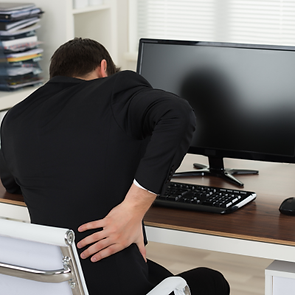
Back pain is a common condition affecting the muscles, joints and structures of the spine. It can cause discomfort during movement, sitting, standing or daily activities, and may develop suddenly or gradually over time.
For many people in Coventry, back pain is linked to how the body is functioning during everyday activities such as work, driving or exercise.
Common back pain symptoms
Back pain can present in different ways depending on the structures involved. Common symptoms include:
-
Localised aching or stiffness in the lower or mid back
-
Pain that worsens with movement or certain positions
-
Difficulty standing upright or moving freely
-
Muscle tightness or spasm
-
Pain spreading into the buttock or leg
Symptoms may change over time and are often affected by activity levels and movement.
Why does back pain happen?
Back pain is often linked to a combination of physical and lifestyle factors.
Common influences include:
-
Prolonged sitting or desk-based work
-
Repetitive movements or physical strain
-
Poor lifting technique
-
Sudden increases in activity or exercise
-
Muscle strain or joint irritation
-
Reduced strength or conditioning over time
In some cases, structures such as intervertebral discs or nearby nerves may become irritated, contributing to stiffness, discomfort or referred pain.
Common back pain scenarios
These are some of the most frequent patterns people experience:
Why does back pain get worse when sitting?
Prolonged sitting can place sustained pressure on the lower back, especially when posture or movement is limited.
Why does back pain keep coming back?
Recurring back pain is often linked to underlying factors such as movement habits, posture, strength or workload that have not been fully addressed.
Why is back pain worse in the morning?
Morning stiffness can occur due to reduced movement overnight and how the joints and soft tissues respond to prolonged rest.
Why does movement sometimes help back pain?
Gentle movement can improve circulation, reduce stiffness and help the surrounding muscles function more effectively.
Will back pain settle on its own?
Many episodes of back pain improve over time, often within the first few weeks.
However, recovery is not always linear. Some people experience recurring symptoms or ongoing stiffness, particularly if contributing factors are not addressed.
In most cases, staying gently active is more helpful than prolonged rest, which can increase stiffness and reduce strength.
How we assess back pain
At your first appointment, you will receive a structured assessment to understand what may be contributing to your symptoms.
This typically includes:
-
A detailed discussion about your symptoms and medical history
-
Assessment of movement, posture and spinal function
-
Identification of lifestyle, work or activity-related factors
You will be given a clear explanation of findings and a plan tailored to your situation.
Where appropriate, management may include hands-on techniques, movement advice and a simple exercise plan to support recovery and improve function.
How osteopathy helps with back pain
Osteopathy takes a whole-body approach to back pain. Rather than treating the site of pain in isolation, your osteopath looks at how the whole musculoskeletal system is functioning — including the joints, muscles and movement patterns that may be contributing to your symptoms.
Treatment is hands-on and tailored to you. Depending on what your assessment shows, it may include:
-
Joint articulation and mobilisation techniques
-
Soft tissue work to reduce muscle tension
-
Dry needling where appropriate
-
Specific exercises and movement advice to support recovery
The goal is not just to reduce pain in the short term, but to address the factors that caused it — so it's less likely to keep coming back.
When should I seek urgent help for back pain?
While most back pain is not serious, seek urgent medical attention if you experience any of the following:
-
Loss of bladder or bowel control
-
Numbness or tingling in the groin or inner thighs
-
Progressive weakness in the legs
-
Back pain following significant injury or trauma
-
Unexplained weight loss
-
Constant or worsening pain, especially at night
Back pain FAQs
What causes back pain?
Back pain is commonly linked to muscle strain, joint irritation, posture, or changes in activity levels.
Can back pain go away on its own?
Many cases improve within a few weeks, although symptoms can return if contributing factors are not addressed.
When should I see an osteopath for back pain?
You may consider an assessment if pain persists, worsens, or begins to affect daily activities such as work or sleep.
Can an osteopath help with a slipped disc?
Osteopaths can assess symptoms associated with disc-related problems, including pain, stiffness and referred symptoms into the leg. Following assessment, they can advise whether osteopathic treatment is appropriate or whether onward referral is needed.
Do I need a GP referral to see an osteopath?
No. You can self-refer directly to Coventry Osteopathic & Sports Injury Clinic without a GP referral. Book online or call 02476 501923.
Next steps
If you would like to understand what may be contributing to your back pain and how to manage it, you can book an appointment online or contact the clinic.
An assessment can help identify contributing factors and provide a clear plan to move forward.
Ready to book? Appointments are available this week. Call us on 02476 501923 or book online.
You can view the full range of conditions we assess and manage here.
You can also explore related conditions such as neck pain, sciatica and posture-related issues to better understand how different factors may be connected.
This page has been written and reviewed by our GOsC-registered osteopaths at Coventry Osteopathic & Sports Injury Clinic.