

Call Us On 02476 501923
WhatsApp 07852 272 185
312A Charter Avenue, Coventry CV4 8DA

Coventry Osteopathic
Treating Your Pain & Improving Your Condition
Pain-relief Osteopathy in Coventry – Appointments Available This Week


.png)
Pregnancy-Related Pain Treatment in Coventry
Pain during pregnancy is common and can affect areas such as the lower back, pelvis or hips. These symptoms are often linked to the physical and postural changes that occur as your body adapts throughout pregnancy.
If you’re experiencing pregnancy-related pain in Coventry, symptoms are often influenced by changes in posture, joint stability and activity levels as your body adjusts.
Our GOsC-registered osteopaths have extensive experience assessing and managing pregnancy-related musculoskeletal symptoms across Coventry, providing care that is adapted for comfort and safety throughout pregnancy.


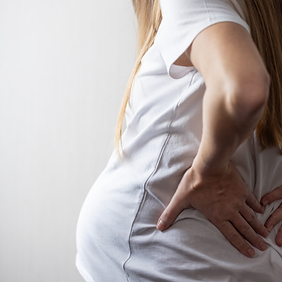
What is pregnancy-related pain?
Pregnancy-related pain refers to musculoskeletal discomfort that develops as the body adapts during pregnancy. It commonly affects areas such as the lower back, pelvis or hips and can make movement, sleep and daily activity more uncomfortable.
For many people in Coventry, pregnancy-related pain is linked to changes in posture, centre of gravity, joint stability and activity levels as the body adjusts throughout pregnancy.
Common pregnancy-related pain symptoms
Pregnancy-related pain can present in different ways depending on the structures involved. Common symptoms include:
-
Lower back pain
-
Pelvic or hip discomfort
-
Pain when walking or turning in bed
-
Stiffness or reduced movement
-
Discomfort when sitting or standing for longer periods
Symptoms may vary over time and can become more noticeable as pregnancy progresses.
Why does pregnancy-related pain happen?
Pregnancy-related pain is often linked to a combination of physical changes rather than a single cause.
Common influences include:
-
Changes in posture and centre of gravity
-
Increased load on joints and muscles
-
Hormonal changes affecting joint stability
-
Changes in activity levels and movement patterns
These changes can increase strain on joints and soft tissues, leading to discomfort, stiffness or reduced movement during pregnancy.
Common pregnancy-related pain scenarios
These are some of the most common patterns people experience:
Why does pregnancy-related pain affect walking?
As pregnancy progresses, changes in load, posture and joint stability can make walking more uncomfortable, particularly around the pelvis, hips or lower back.
Why is pregnancy-related pain worse when turning in bed?
Turning in bed can place extra strain on the pelvis, hips and lower back, especially when these areas are already irritated or sensitive.
Why does pregnancy-related pain get worse with sitting or standing for long periods?
Staying in one position for too long can increase pressure on joints and muscles that are already adapting to pregnancy-related changes.
Why does pregnancy-related pain keep getting worse as pregnancy progresses?
As the body continues to adapt, increasing load and changing movement patterns can make symptoms more noticeable over time.
Will pregnancy-related pain settle on its own?
For some people, symptoms may improve over time or after pregnancy. However, others may find that discomfort persists or affects daily activities as pregnancy progresses.
If symptoms are ongoing, worsening or limiting movement, assessment can help identify contributing factors and provide guidance on managing them.
How we assess pregnancy-related pain
At your first appointment, assessment focuses on understanding how your body is adapting during pregnancy and identifying factors contributing to your symptoms.
This typically includes:
-
A discussion of your symptoms and pregnancy stage
-
How your pain affects movement and daily activities
-
Observation of posture and movement patterns
-
A physical assessment adapted for comfort and safety
You will be given a clear explanation of findings and appropriate next steps.
How osteopathy helps with pregnancy-related pain
Osteopathic treatment during pregnancy focuses on supporting the body as it adapts to the changes taking place. Rather than a one-size-fits-all approach, assessment and treatment are tailored specifically to your stage of pregnancy, your symptoms and your comfort.
Treatment is gentle, hands-on and adapted for safety during pregnancy. It may include:
-
Soft tissue work to reduce tension in the lower back, pelvis and hips
-
Gentle joint mobilisation where appropriate
-
Postural advice to help manage the physical demands of pregnancy
-
Movement and activity guidance to support comfort day to day
-
Advice on positioning for sleep, sitting and daily tasks
The aim is to help you stay as comfortable and mobile as possible throughout your pregnancy, and to address the musculoskeletal factors contributing to your symptoms.
When to seek medical advice
While many pregnancy-related musculoskeletal symptoms are common, medical advice should be sought if you experience:
-
Sudden or severe pain
-
Pain associated with other symptoms such as bleeding, fever or feeling unwell
-
Significant difficulty walking or weight-bearing
-
Neurological symptoms such as numbness, weakness or loss of control
If you are unsure, it is always appropriate to seek advice from your GP, midwife or maternity team.
When should I seek an osteopathic assessment?"
People often seek assessment when symptoms:
-
Are not improving over time
-
Begin to affect sleep, movement or daily activities
-
Make walking, sitting or turning in bed uncomfortable
-
Are becoming more frequent or intense
You do not need a diagnosis before booking. The aim is to assess what may be contributing to your symptoms and explain your options clearly.
Pregnancy-related pain FAQs
What causes pregnancy-related pain?
Pregnancy-related pain is commonly linked to changes in posture, centre of gravity, joint stability, activity levels and the increased demands placed on muscles and joints during pregnancy.
Can pregnancy-related pain go away on its own?
For some people, symptoms improve over time or after pregnancy. However, discomfort may continue or become more noticeable as pregnancy progresses.
When should I see an osteopath for pregnancy-related pain?
You may consider an assessment if symptoms persist, worsen, affect walking or sleep, or begin to interfere with daily activity.
Is it safe to see an osteopath during pregnancy?
Yes. Osteopathic treatment can be safely adapted for pregnancy. Your osteopath will tailor the assessment and treatment to your stage of pregnancy, your symptoms and your comfort. If there are any concerns, they will advise you accordingly or liaise with your midwife or GP.
Do I need a GP or midwife referral to see an osteopath during pregnancy?
No. You can self-refer directly to Coventry Osteopathic & Sports Injury Clinic without a referral. Book online or call 02476 501923. You are welcome to inform your midwife or GP that you are seeking osteopathic care.
Next steps
If you would like to understand what may be contributing to your pregnancy-related pain and how to manage it, you can book an appointment online or contact the clinic directly.
An assessment can help identify contributing factors and provide a clear plan to move forward. You can view the full range of conditions we assess and manage here.
You can also explore related conditions such as back pain, hip pain and pelvic discomfort to better understand how different factors may be connected.
This page has been written and reviewed by our GOsC-registered osteopaths at Coventry Osteopathic & Sports Injury Clinic.